
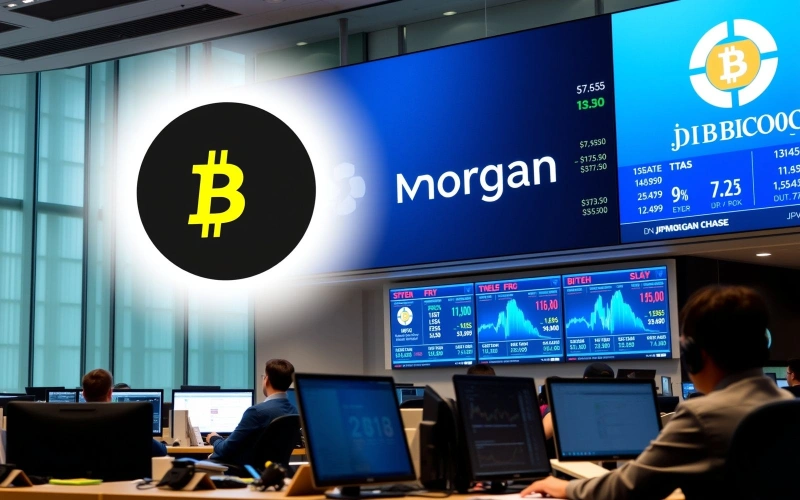
As the largest bank in the United States, Chase Morgan is preparing to provide direct purchase of bitcoin to its clients, marking an important step towards wider institutional acceptance of encrypted money. Although the CEO of Morgan Chase, Jamie Damon, reiterated the mistrust of the Bitcoin, he announced on Monday on the Bank ' s annual investor day:
We will allow you to buy it but we will not keep it. We'll put it in the bill for the client.
This statement demonstrates a significant shift in the policy of the largest United States bank. Prior to that, Chase Morgan was limited to participation in future-based encrypted currency products, avoiding direct contact with bitcoin. However, Damon's express offer of this service does not imply acceptance: “I don't think you should smoke, but I defend your right to smoke.” He stressed, “I defend your right to buy bitcoin.”
This development has followed the pace of other financial giants, which have begun to allow qualified clients access to the real-life Bitcoin Exchange Trading Fund (ETF). Despite growing industry acceptance, Damon maintained his view that bitcoin and other encrypted currencies had no legitimate economic function. His skepticism about encrypted currency has remained unchanged for many years, and at a Senate hearing in 2023 he stated: “The only real use it has was criminals, drug dealers... money laundering, tax evasion”. And he added, "If I were the government, I'd shut it down." Damon has repeatedly expressed concern about the anonymous ownership of bitcoin and its use in illicit financing.
At the World Economic Forum in Davos in 2024, Damon continued to insist on his view of the BTC, calling bitcoin “no use” and calling it “pet stone”. At the same time, other banking executives treat encrypted currency more openly. The CEO of Morgan Stanley, Ted Pic, disclosed to CNBC that the company was exploring more ways to participate in the encrypted market, thanks to changes in the regulatory environment during President Donald Trump ' s administration.
With the liberalization of the former anti-encrypted currency guidelines by the Federal Deposit Insurance Corporation (FDIC) and the Monetary Supervisory Authority (OCC) and the recent abolition by the United States Securities and Exchange Commission (SEC) of the SAB 121 guide requiring banks to record encrypted assets held on behalf of their clients as liabilities, the regulatory attitude towards encrypted currency is changing.